All You Need to Understand About Compression Therapy: Advantages, Applications, and Finest Practices
Compression therapy has gotten interest for its capability to improve blood flow and decrease swelling. This method is particularly valuable for professional athletes in healing and those handling chronic problems. Nevertheless, comprehending its benefits, applications, and ideal methods is crucial for reliable use. Various kinds of compression garments exist, each serving specific demands. Misunderstandings persist regarding their application and effectiveness. What are the crucial elements to evaluate when including compression therapy into one's routine?
Understanding Compression Therapy: The Scientific research Behind It
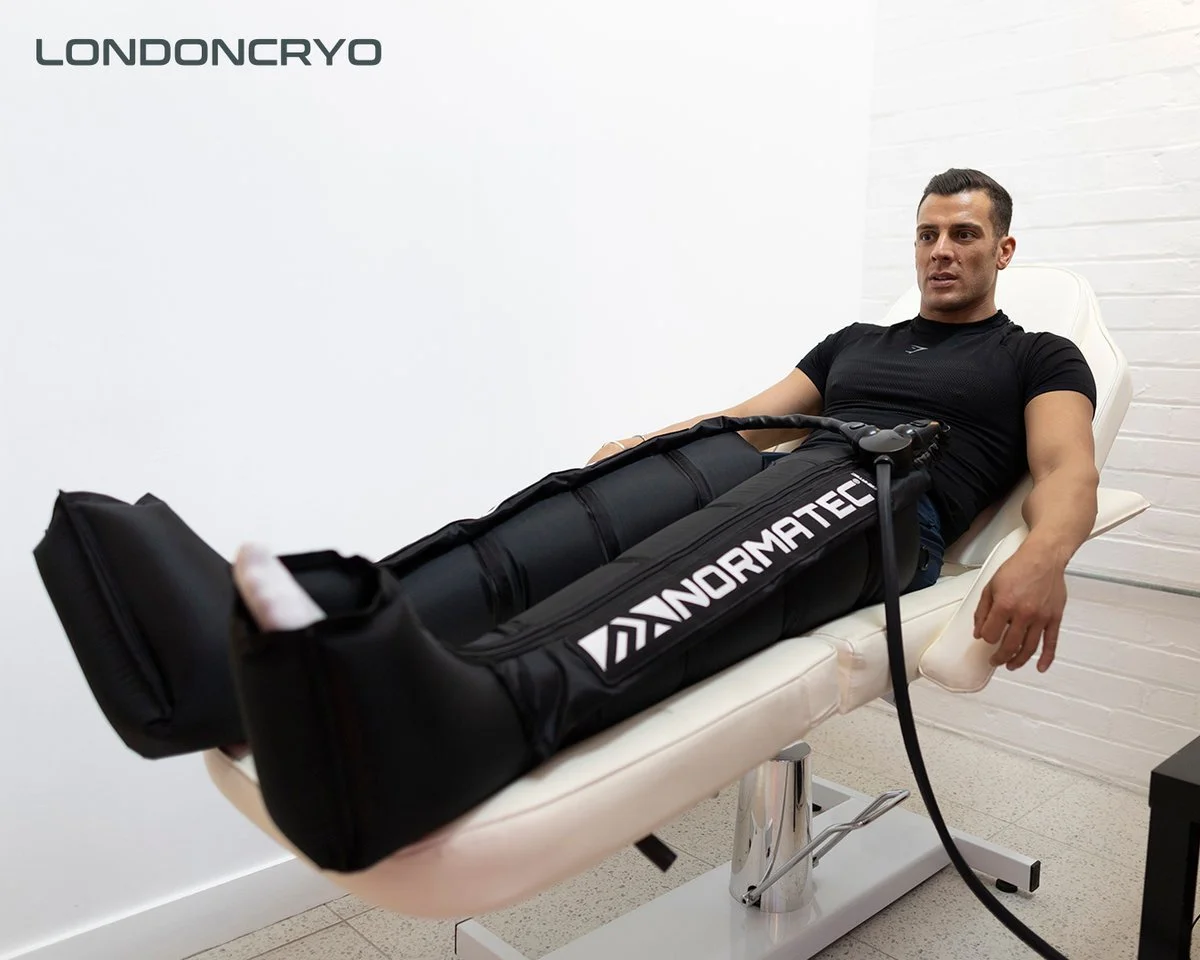
Compression therapy plays a vital duty in managing numerous clinical conditions by applying regulated pressure to particular body areas. This restorative method uses elastic products, such as bandages or compression garments, to enhance venous return and lower swelling. By pressing the tissues, blood flow is redirected towards the heart, alleviating problems associated to poor flow.
The scientific research behind compression therapy includes the concepts of hemodynamics and hydrostatics, where exterior pressure assists maintain fluid balance in cells - brace. It is particularly efficient in problems such as persistent venous insufficiency, lymphedema, and varicose capillaries. In addition, compression therapy can prevent the formation of embolism by promoting blood flow
Comprehending the devices of compression therapy highlights its significance in scientific technique, guiding healthcare experts in properly releasing this therapy technique for ideal client outcomes.
Benefits of Compression Therapy for Professional Athletes
While athletes frequently push their bodies to the limit, the integration of compression therapy right into their recovery routines can give substantial advantages. This healing strategy enhances blood circulation, which helps with quicker healing by supplying important nutrients and oxygen to exhausted muscular tissues. Furthermore, compression garments can decrease muscle mass pain and swelling, allowing athletes to go back to peak efficiency faster.
Furthermore, compression therapy has actually been shown to improve proprioception, aiding athletes maintain much better body awareness throughout training and competition. This enhanced sense of body placement can enhance efficiency and decrease the threat of injury. Numerous professional athletes likewise report boosted general convenience and decreased exhaustion levels adhering to intense exercises or competitions when using compression equipment.
Incorporating compression therapy can be a game-changer for professional athletes, promoting suitable recovery and boosting performance abilities while minimizing downtime and the danger of injury.
Managing Chronic Problems With Compression Therapy
For individuals handling persistent conditions, the application of compression therapy can offer significant alleviation and assistance. Conditions such as chronic venous lack, lymphedema, and varicose veins typically bring about discomfort and swelling, which can impede day-to-day tasks. Compression therapy aids in enhancing blood flow, lowering edema, and easing discomfort associated with these conditions.
By applying constant pressure to the impacted locations, compression garments aid to avoid fluid build-up and promote venous return. Furthermore, this therapy can improve cells oxygenation and reduce the risk of problems, such as skin ulcers.
Medical care professionals typically suggest tailored compression levels and durations based on individual needs, ensuring favorable outcomes. Regular use of compression therapy can significantly enhance the lifestyle for those with chronic conditions, allowing them to involve even more completely in daily activities. Ultimately, the strategic use compression therapy works as an essential component in thorough persistent problem administration.
Types of Compression Clothing and Their Makes use of
Compression garments can be found in various forms, mainly medical compression stockings and athletic compression wear. Each kind offers unique objectives, with clinical stockings created to improve circulation in people and athletic wear focused on boosting performance and recuperation in sports. Understanding these distinctions is necessary for choosing the ideal garment for certain needs.
Clinical Compression Stockings
Medical compression stockings play a vital function in the monitoring of various blood circulation conditions by using graduated stress to the legs. These stockings are designed to enhance blood flow, minimize swelling, and alleviate pain connected with venous problems, such as varicose veins and chronic venous lack. They are available in various styles, including knee-high, thigh-high, and complete pantyhose, accommodating private demands and preferences. Compression degrees usually vary from mild to additional company, permitting doctor to advise the appropriate type based upon the extent of the condition. Appropriate installation is essential for effectiveness; as a result, people need to speak with health care experts to assure they choose the right dimension and compression degree. Normal usage can significantly improve general leg health and wellness and convenience.
Sports Compression Wear
Sports compression wear has actually obtained appeal amongst professional athletes and fitness enthusiasts due to its potential benefits in performance and recuperation. Different kinds of compression garments are readily available, consisting of sleeves, shorts, socks, and full-body matches. Compression sleeves for limbs aid boost blood flow, minimize muscle mass vibration, and decrease the risk of injury during extreme exercises. Compression shorts sustain the core muscle mass and improve stability, while socks target calf bone and foot locations to minimize swelling and tiredness. Full-body suits provide extensive assistance, advertising excellent muscular tissue feature. Athletes frequently wear these garments throughout training and competitions to aid in faster recuperation post-exercise, therefore making the most of performance and minimizing downtime as a result of injuries or pain.
Exactly How to Effectively Use Compression Therapy
Using compression therapy properly needs an understanding of the particular needs and problems it aims to resolve. Appropriate application starts with choosing the appropriate degree of compression, which varies based upon the intended usage, such as recovery, injury avoidance, or managing clinical conditions like edema. It is vital to pick garments created for the specific body component, guaranteeing a tight yet comfortable fit.
Prior to usage, individuals should seek advice from healthcare experts to identify one of the most suitable kind of compression therapy. This includes comprehending the period of wear, which usually varies from several hours to continual usage, depending on the problem being dealt with. Normal monitoring of skin honesty is important to protect against any negative responses. Combining compression therapy with other treatments, such as elevation and exercise, can improve its performance, promoting far better blood circulation and recovery end results.
Typical Myths and Misconceptions Regarding Compression Therapy
Compression therapy is commonly bordered by different misconceptions and misconceptions that can result in misunderstandings about its function and performance. One common myth is that compression garments are only for those with existing medical conditions, when in reality, they can benefit any person, especially athletes looking for enhanced performance and recovery. Furthermore, some believe that wearing compression items is restrictive or uncomfortable; nonetheless, contemporary products and designs focus on comfort and fit. Another mistaken belief is that compression therapy can totally treat conditions like varicose blood vessels, while it is actually a helpful treatment that assists in sign monitoring. The concept that greater compression levels are constantly far better is misguiding; the appropriate level varies based on specific requirements. Finally, lots of think that compression therapy requires a prescription, however many products are offered non-prescription for general usage. Dispel these myths to much better understand truth potential of compression therapy.
Tips for Choosing the Right Compression Products
When selecting compression products, people should meticulously consider the compression degree that ideal suits their needs. Furthermore, the dimension and fit of the items play a crucial role in making sure reliable therapy and convenience (brace). Correct focus to these factors can significantly improve the advantages of compression therapy
Compression Degree Option
Picking the appropriate level of compression is important for optimizing the advantages of compression therapy. Compression degrees are commonly classified by millimeters of mercury (mmHg), with reduced degrees (8-15 mmHg) appropriate for moderate conditions such as fatigue and swelling. Moderate levels (15-20 mmHg) visit homepage are often recommended for managing varicose blood vessels and minor edema, while higher levels (20-30 mmHg or even more) are typically scheduled for much more severe issues like deep blood vessel apoplexy or persistent venous deficiency. It is important to think about individual health demands, way of living, and any kind of hidden medical conditions when picking the compression degree. Consulting with a health care professional can provide beneficial support in choosing the most ideal compression degree for the finest therapeutic end results.
Dimension and Fit Factors To Consider

Regularly Asked Concerns
Can Compression Therapy Aid With Post-Surgery Recovery?
For how long Should I Use Compression Garments Daily?
Professionals advise wearing compression garments for 20 to 24 hr daily, specifically during the initial healing stage. Canadian Orthopedic Supply. Private requirements might differ, so seeking advice from with a medical care provider for personalized guidelines is recommended.
Are There Any Type Of Adverse Effects of Compression Therapy?
Compression therapy might create side results such as skin inflammation, discomfort, or restricted blood circulation if poorly fitted. It's vital for individuals to speak with doctor to assure proper usage and mitigate potential problems.
Can Compression Therapy Be Used While Pregnant?
Compression therapy can be used while pregnant, frequently helping to relieve swelling and pain. It is important for expecting individuals to seek advice from healthcare specialists to guarantee security and appropriate use throughout their maternity journey.
Is Compression Therapy Appropriate for All Ages?
Compression therapy is usually appropriate for every ages, but private demands and medical conditions need to be thought about. Consulting a healthcare professional assurances ideal use, especially for youngsters and the senior, to avoid prospective issues.
Compression therapy plays an essential function in handling different clinical problems by using regulated pressure to specific body areas. The science behind compression therapy includes the principles of hemodynamics and hydrostatics, where exterior stress aids maintain liquid equilibrium in cells. Compression garments come in various forms, mainly clinical compression stockings and athletic compression wear. When choosing compression items, people need to meticulously take into consideration the compression degree that ideal fits their demands. Choosing try this site the proper level of Home Page compression is vital for optimizing the benefits of compression therapy.